
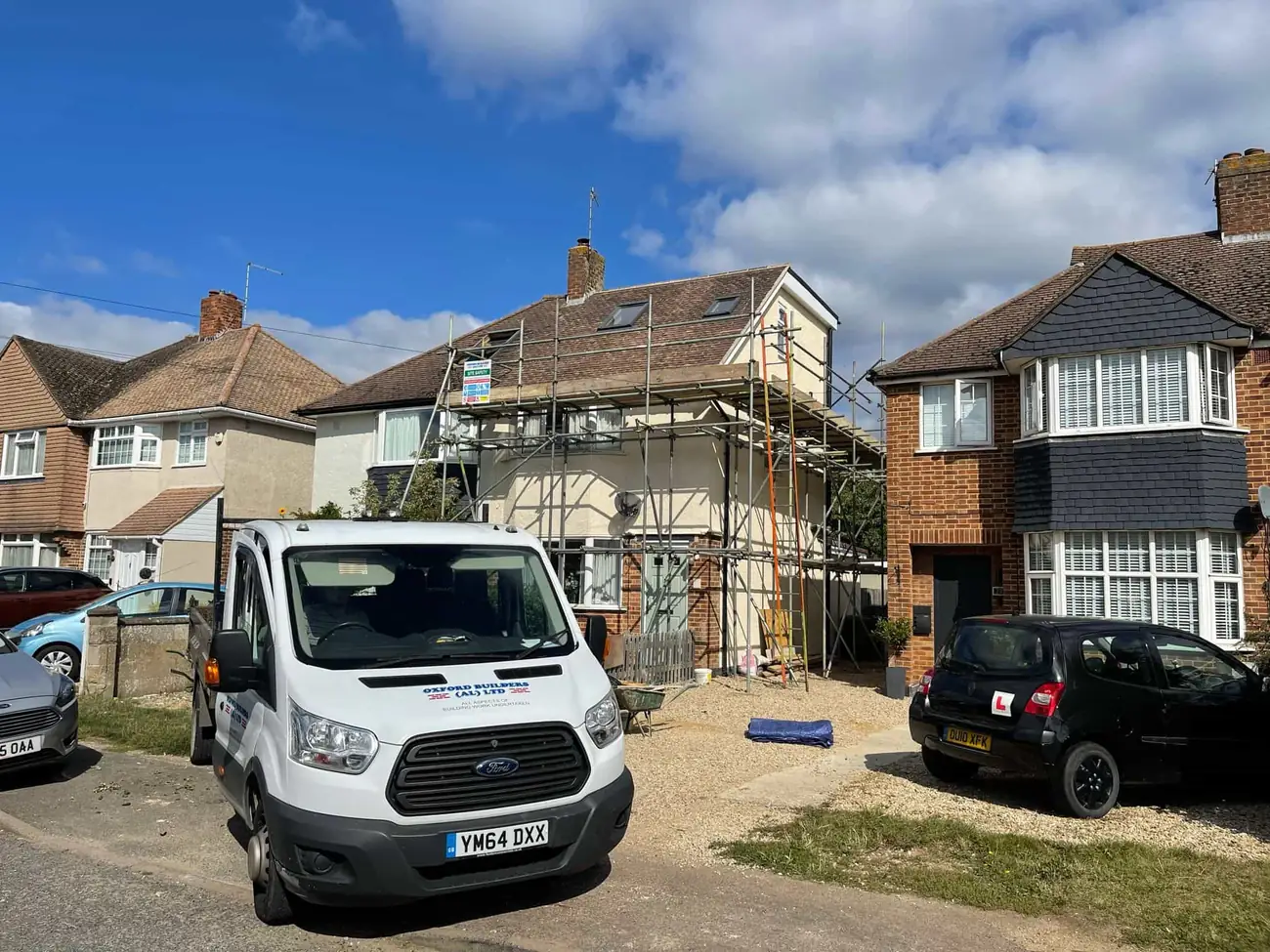
Extending homes across the county, not just the city
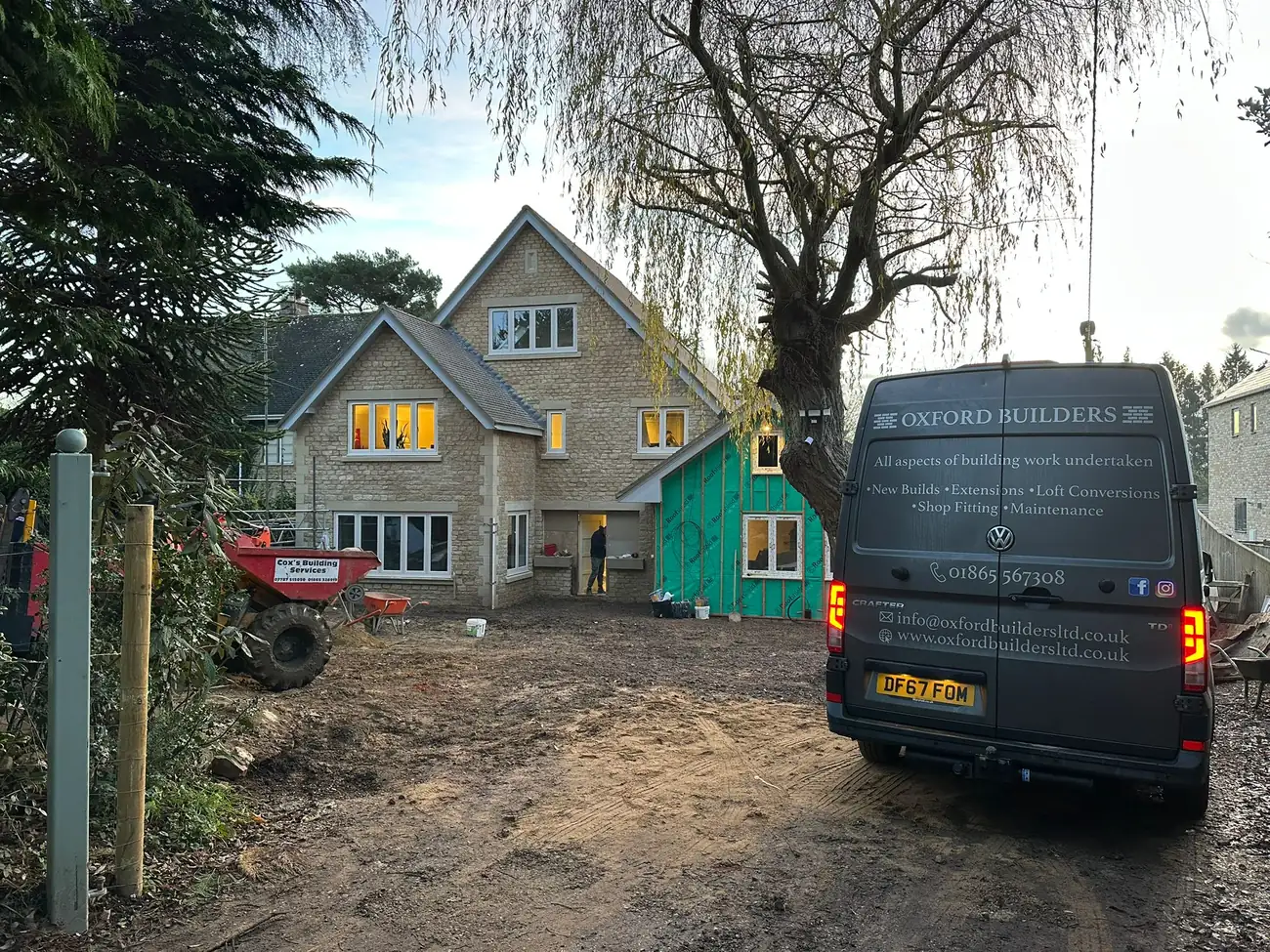
House Extensions Oxfordshire is the county arm of Oxford Builders Ltd. We extend detached homes, village cottages and period properties from Banbury to Henley — with the planning, ground and drainage questions that come with rural sites.
More room to build, more to get past planning
Extending in the county is a different exercise from extending in Oxford. Plots are larger, so the tight-site problems that dominate a city terrace — no access, no parking, party walls on both sides — largely disappear.
What replaces them is character. A great deal of Oxfordshire's housing sits in conservation areas or within sight of listed buildings, and much of it is stone, render or handmade brick rather than the machine-made stock of the suburbs. Planning officers here take a keen interest in materials, roof form and how an extension sits against the original.
The upside is that a well-designed scheme on a village plot can be considerably more ambitious than anything the city would allow.
- Single & two-storey extensions
- Kitchen and garden-room extensions
- Period and listed properties
- Conservation area applications
- Septic tank & treatment plant work
- Rural foundations & groundworks
Three briefs that come up again and again
Across the county the requests fall into a fairly consistent pattern. Here is what each involves.
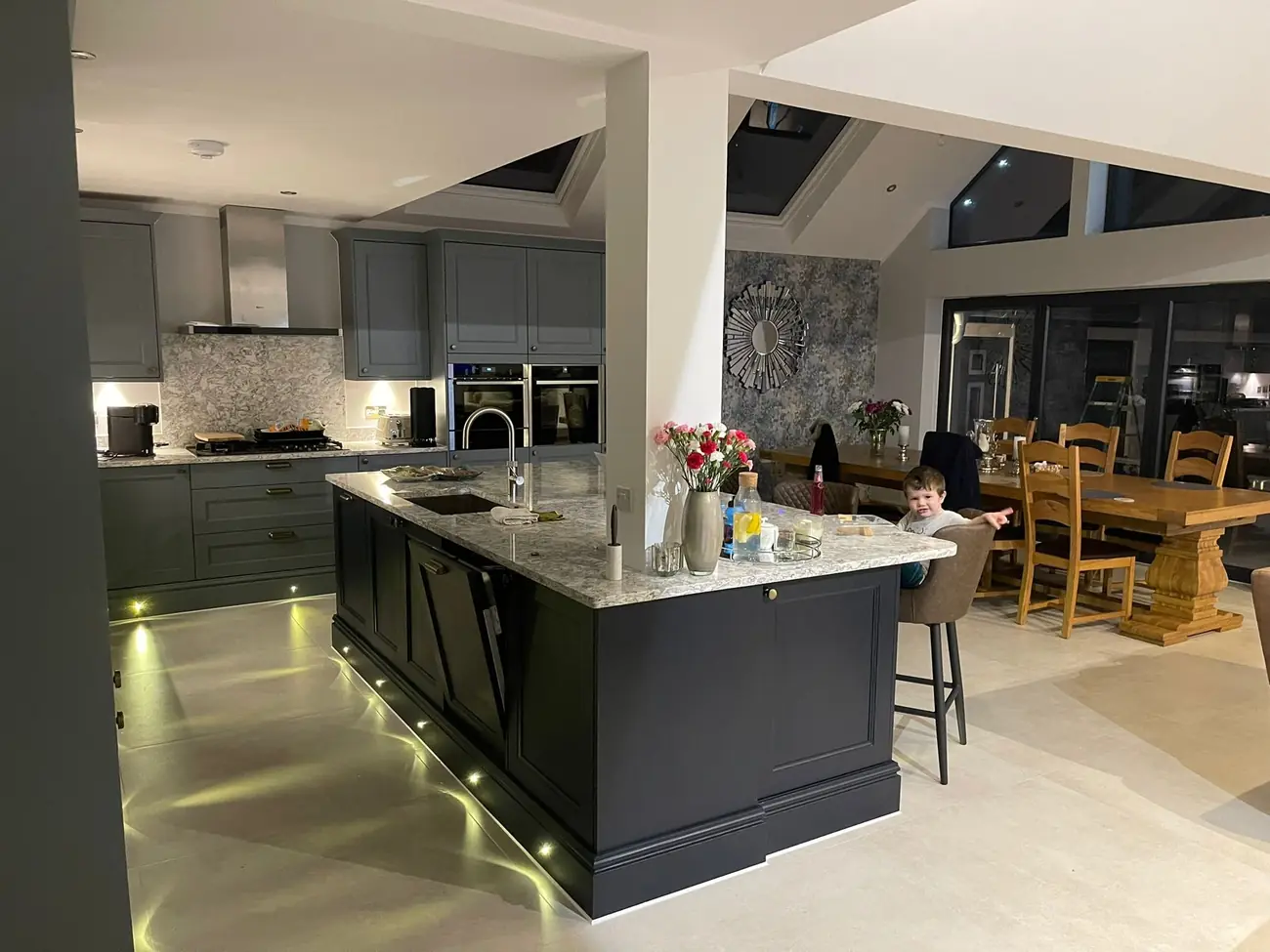
Kitchen Extensions
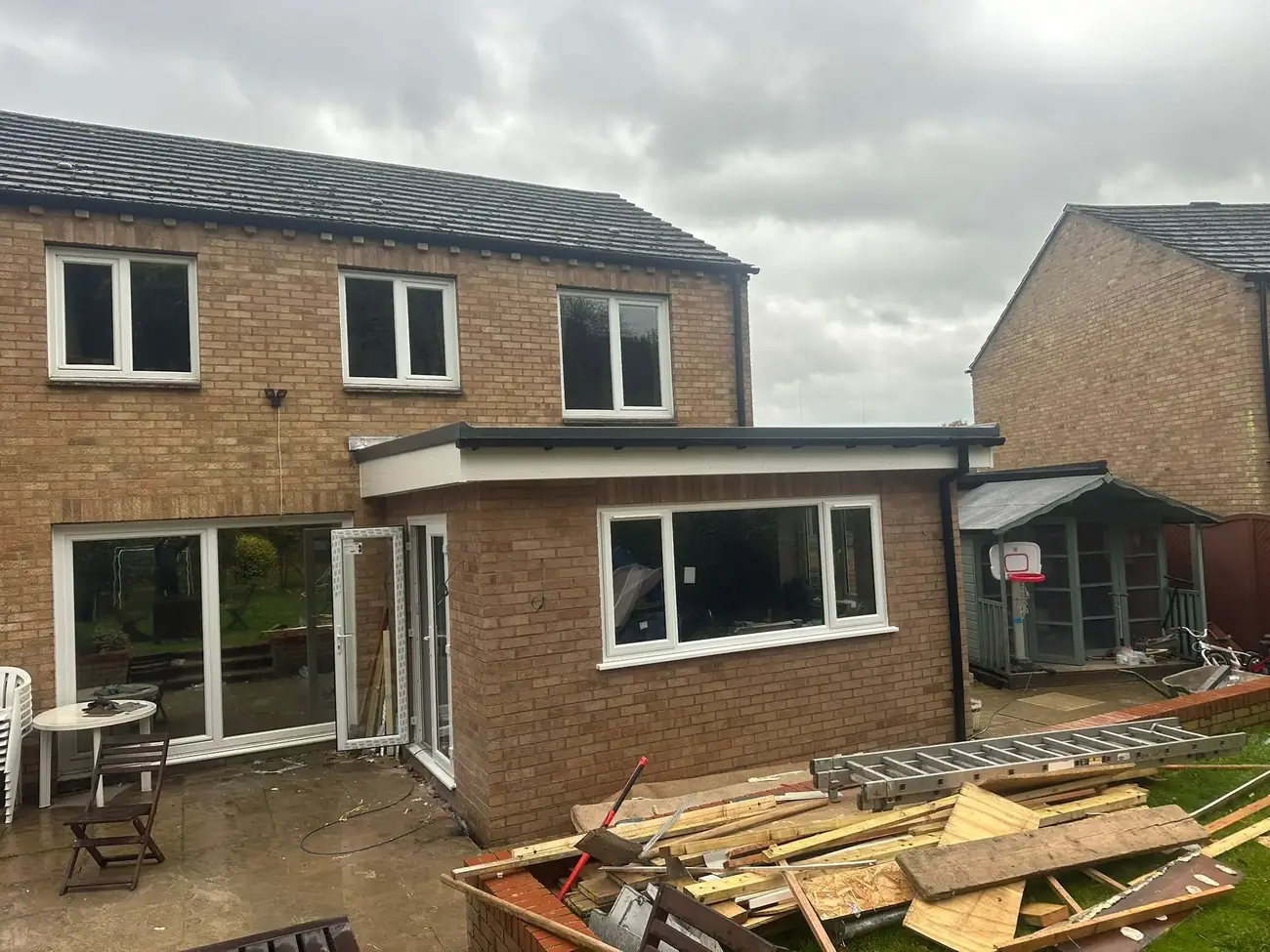
The most requested extension in the county — opening the back of the house into one kitchen, dining and living space that actually suits how a family uses it.
Find out more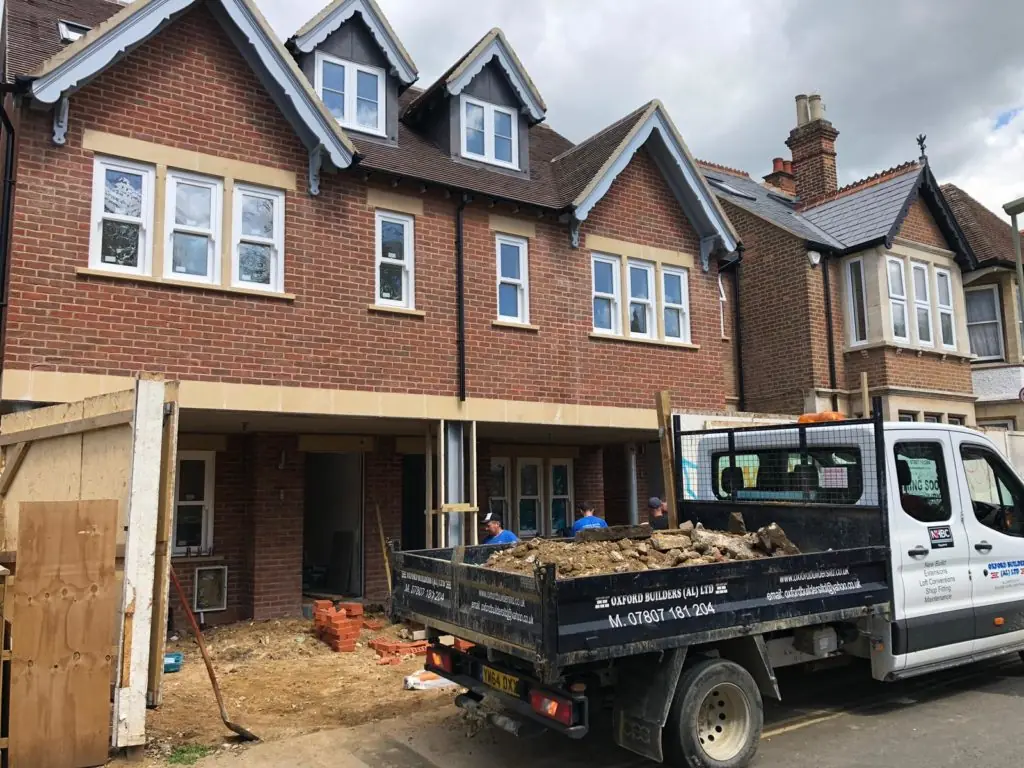
Two-Storey Extensions
Bedrooms and bathrooms above new ground-floor space. Larger county plots often allow depths the city simply cannot.
Find out more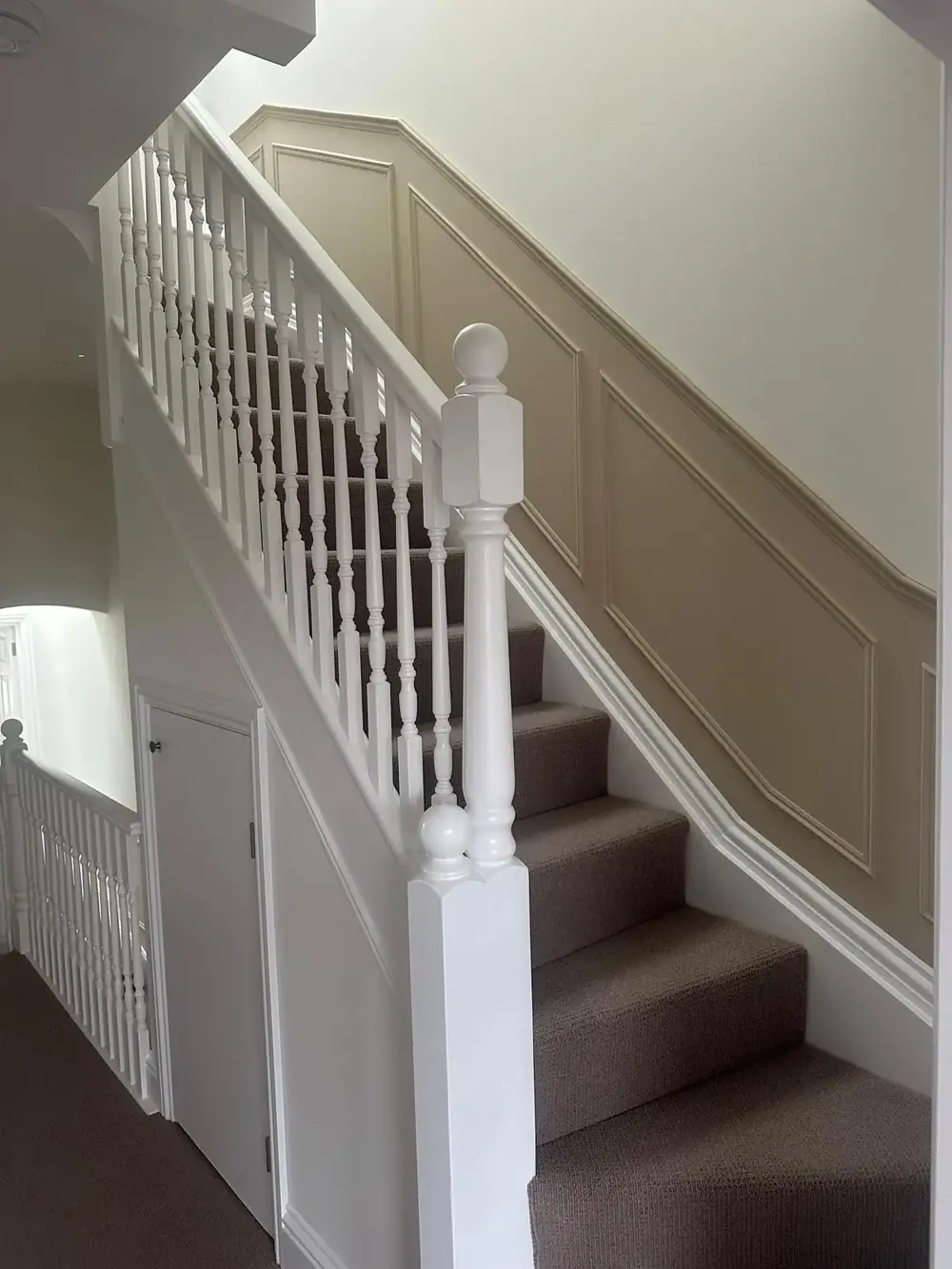
Period Property Extensions
Cottages, farmhouses and Victorian villas — conservation areas, listed building consent, and matching stone and render sympathetically.
Find out more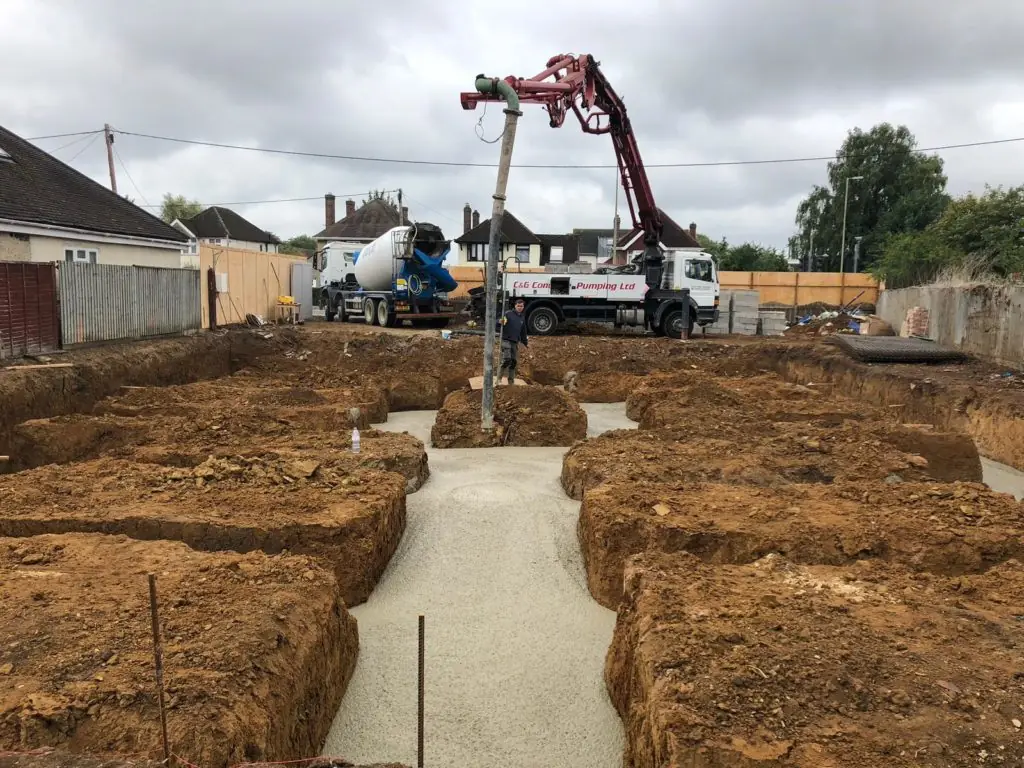
Building Services
Groundworks, drainage and treatment plants, structural design, planning applications, new builds and full renovation.
Find out moreThree things that rarely come up in town
Materials and character
Cotswold stone to the west, render and brick elsewhere, and roof coverings that vary village by village. Getting the match right is a planning requirement, not a preference.
Private drainage
Septic tanks and treatment plants have finite capacity. Adding bedrooms or bathrooms can exceed it, and the system needs assessing before the design is fixed.
Ground and trees
Varied soils, higher water tables near the rivers, and mature trees close to houses. All three affect foundation depth and design, and all three need surveying rather than assuming.
One firm, wherever the site is
Oxford Builders Ltd has worked on domestic and commercial property across Oxford and the wider county for years, on everything from single-room extensions to complete new builds.
On a county project that matters more than it does in the city. A rural site is a long way from a merchant, and a day lost waiting for a trade to travel out is a day nobody gets back. Carrying the trades in-house is what keeps a distant programme honest.
- Experienced multi-trade team
- Design and build under one roof
- Conservation and listed experience
- Private drainage assessed properly
- Building control managed for you
- Clear written quotations
- Costs agreed before any change
- Covering the whole county
Towns and villages across Oxfordshire
From the market towns to the villages between them — and the surrounding countryside in each direction.
- Banbury
- Bicester
- Witney
- Abingdon
- Didcot
- Thame
- Chipping Norton
- Wallingford
- Carterton
- Kidlington
- Wantage
- Faringdon
- Woodstock
- Burford
- Henley-on-Thames
Inside the city? Our Oxford site covers extensions within Oxford itself.
Tell us where you are and what you want to build
For county projects, a few photos of the property and its setting save everyone a journey. Send those and your postcode and we will give you an honest first read.
Extending in Oxfordshire — common questions
Travel, village planning, listed buildings, private drainage and rural ground conditions.
How far out of Oxford do you travel?
Across the county — Banbury and Bicester in the north, Witney and Burford to the west, Abingdon, Didcot and Wantage to the south, and Thame and Henley toward the eastern edge.
Distance affects logistics rather than willingness. For anything beyond a comfortable daily run we plan deliveries and welfare differently, and we will tell you at the outset if a location makes a project impractical rather than quoting and disappointing you later.
Is extending a village property different from extending in the city?
Very. Plots are generally larger, so the planning constraint is rarely how much garden you have — it is what the extension does to the character of the building and the street scene.
Many Oxfordshire villages sit within conservation areas, and a good number of properties are listed. Materials become a planning issue rather than an aesthetic preference: stone, render and roof covering all get scrutinised in a way they would not on a suburban semi.
Can you extend a listed building?
It is possible, but it needs listed building consent in addition to planning permission, and the two are assessed differently. Consent looks at the impact on the special interest of the building, inside as well as out.
Successful schemes usually work by being clearly of their own time and reversible, rather than by imitating the original. It is a longer process and it needs the right drawings — worth budgeting time for at the outset.
What about properties not on mains drainage?
Plenty of rural Oxfordshire runs on septic tanks or treatment plants, and an extension that adds bathrooms or bedrooms can push the system past what it was sized for.
That needs checking before design, not after. Sometimes the existing plant copes; sometimes it needs upgrading, which is a cost worth knowing about early rather than discovering at building control stage.
Do rural sites need different foundations?
Frequently, yes. Village and rural plots throw up more variety than suburban ones — old clay, made ground, high water tables near the Thames and Cherwell, and mature trees close to the house.
We survey the ground rather than assume it. Where conditions are uncertain we say so, because a foundation quoted optimistically is the most common reason an extension budget moves.
Do you offer free quotations across the county?
Yes — free and with no obligation, anywhere we work. For more distant properties we usually ask for photographs and a description first, so that the visit is worth making for both of us.
After that it is the same process as anywhere: measure, survey the ground and drainage, agree a scope, and quote against it in writing.